Stop Impulse Shopping Online: 5 Simple Ways to Pause

How to stop impulse shopping online?
Impulse shopping online usually happens when convenience meets emotion: a quick scroll, a limited-time offer, and a fast checkout. The goal isn’t to never buy fun things—it’s to create enough “pause” between the urge and the purchase so your choices match your budget and your real needs.
Create friction before you can buy
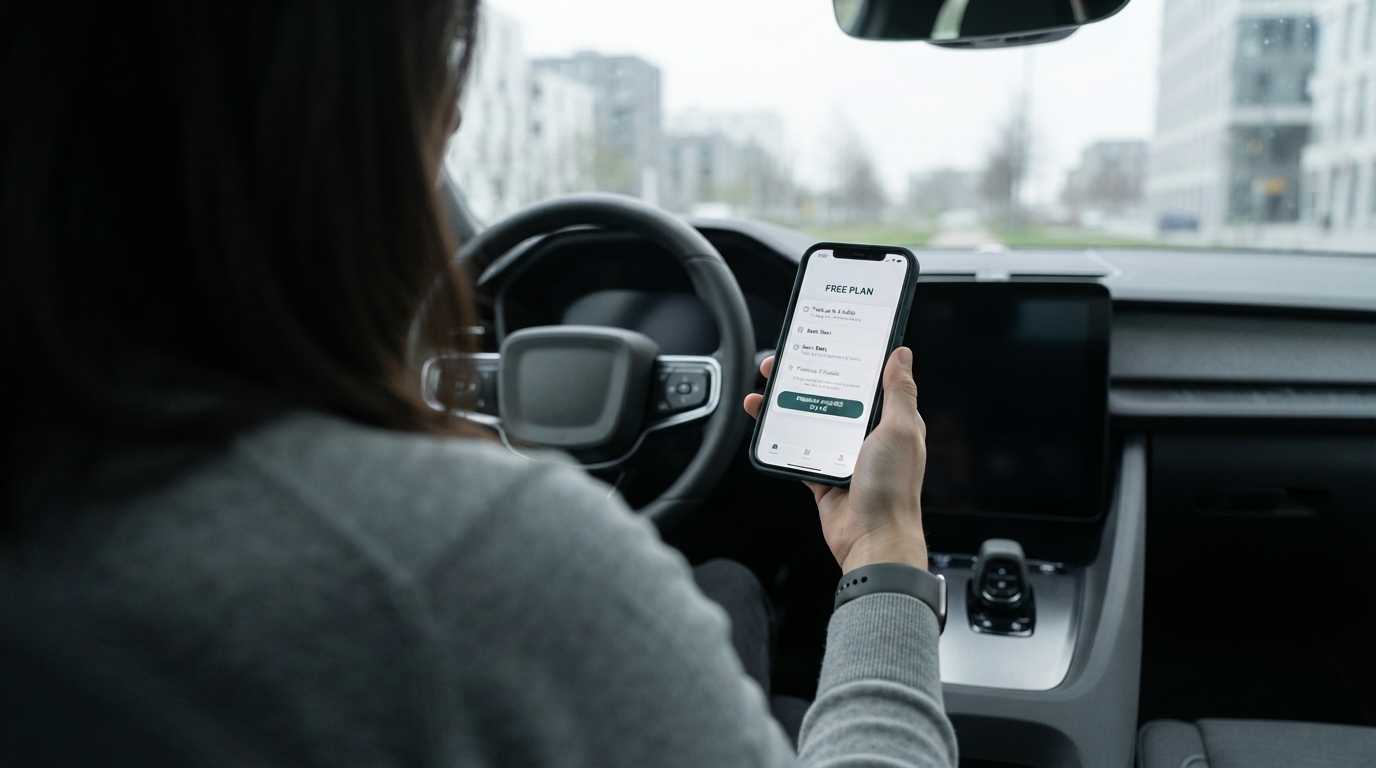
Make impulse purchases slightly harder to complete. Log out of retail apps, remove saved cards from browsers, and disable one-click checkout. If you shop mostly on your phone, delete shopping apps and use desktop only. That extra minute can be the difference between “Add to cart” and “Do I actually want this?”
Use a waiting rule that matches your budget
Try a 24-hour wait for small purchases and a 72-hour (or one-week) wait for bigger ones. During the wait, keep the item in a wishlist—not your cart—so you’re not constantly nudged by checkout reminders. If it still feels worth it later, it’s more likely a deliberate choice.
Set a simple decision checklist
Before buying, ask: Do I already own something similar? Will I use this at least 10 times? Does it fit my current lifestyle and space? If the purchase is tied to a mood (stress, boredom, social comparison), step away and do something that changes state—walk, stretch, drink water, or message a friend.
Protect your attention from triggers
Unsubscribe from promotional emails and SMS, mute brand accounts that spark “deal urgency,” and turn off push notifications. Consider using ad blockers or limiting social media time if your impulse buys start with targeted ads.
Replace “random browsing” with intentional shopping
Keep a running list of what you actually need (with a budget cap). When you do shop, search for the item directly instead of scrolling feeds. For a deeper reset—especially if clothing buys are the main issue—read this guide: How to Stop Impulse Clothing Buys: An Intentional Shopping Reset.
FAQ
What should I do if I regret an online purchase right after placing the order?
Check the retailer’s cancellation window immediately, then contact support and request a cancel before it ships. If it ships anyway, initiate a return as soon as it arrives and remove the trigger that led to the purchase (like notifications or saved payment info).








Leave a comment