Sisal Cat Scratching Mat with Toy: Durable, Fun Relief

Natural Sisal Cat Scratching Mat with Toy: Durable Texture, Engaging Play, Happier Claws
A good scratching setup protects furniture while giving cats a satisfying surface to stretch, mark, and shed old claw layers. A natural sisal scratching mat with a built-in toy combines an appealing texture with an extra reason to return—helping turn scratching into a consistent, rewarding habit.
Why Cats Need a Dedicated Scratching Surface
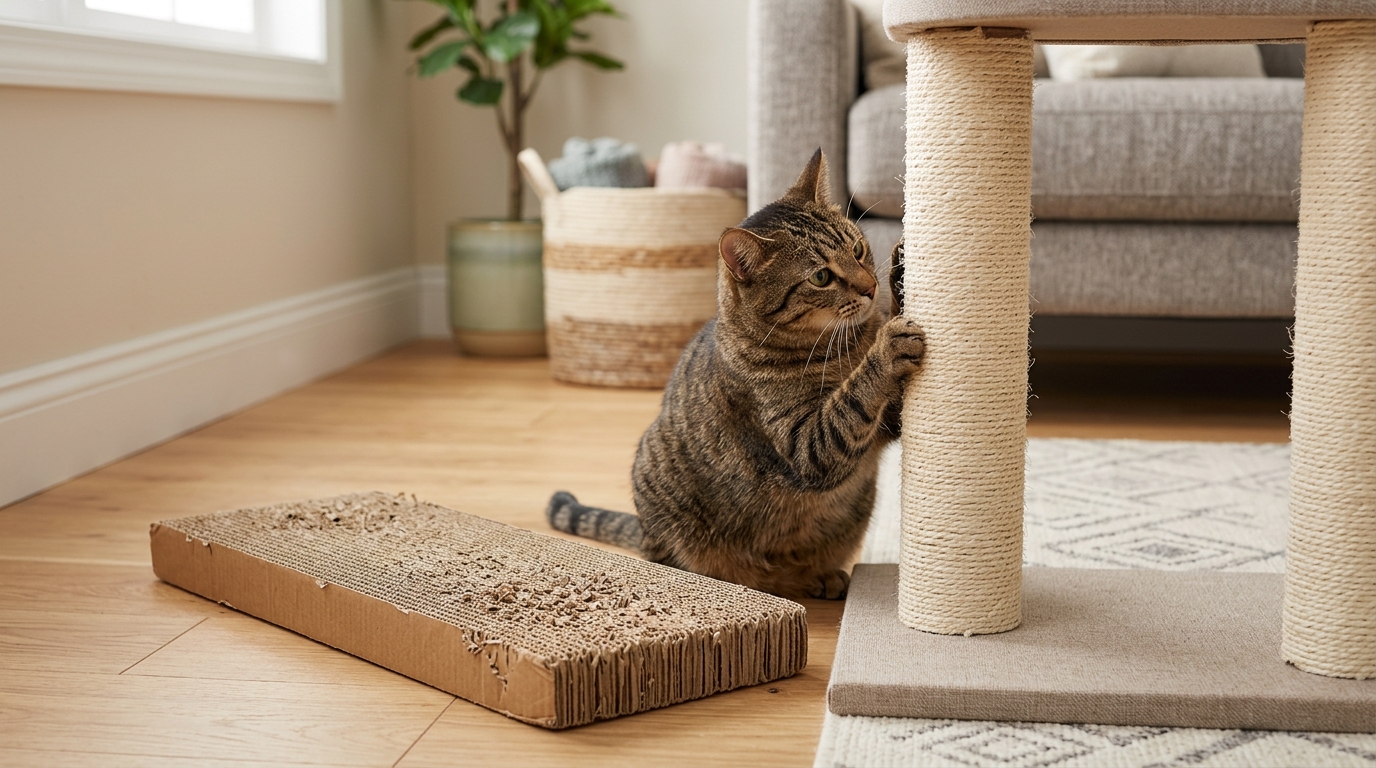
Scratching isn’t “bad behavior”—it’s a normal feline need. When a cat has an appealing place to scratch, it becomes much easier to steer those instincts away from rugs, sofas, and door frames.
- Claw maintenance: Scratching helps remove the outer claw sheath, keeping claws healthier and more comfortable.
- Full-body stretch: It’s a natural way to stretch shoulders, back, and hips, which can reduce restlessness and encourage regular movement.
- Communication: Cats leave visual marks and deposit scent from glands in their paws—one reason they return to the same scratching spot.
- Furniture protection: A dedicated mat, placed where scratching already happens, can redirect the habit without a battle of wills.
For more on why cats scratch and how to work with the behavior, see guidance from the Humane Society of the United States and the ASPCA.
What Makes Natural Sisal So Appealing
Many cats prefer textures that “grab back.” Sisal is a firm, fibrous natural material that provides strong feedback as cats rake and pull—often more satisfying than soft fabrics.
- Firm, fibrous feel: The rougher texture can be more compelling than plush or woven materials.
- Great resistance: Sisal offers a sturdy surface for pulling motions, which many cats find rewarding.
- Built to last: It typically holds up better than some carpet-style scratchers that pill, snag, or flatten quickly.
- Good alternative to cardboard: For cats that ignore cardboard or destroy it in a day, sisal can be a longer-term solution.
Sisal vs. Jute vs. Cardboard: Quick Comparison
| Material | Scratch feel | Durability | Mess level | Best for |
|---|---|---|---|---|
| Sisal | Firm, grippy, high resistance | High | Low to medium | Cats that like strong pull and long-lasting surfaces |
| Jute | Softer, less resistance | Medium | Low | Gentler scratchers or cats sensitive to rough textures |
| Cardboard | Crunchy, lower resistance | Low to medium | Medium to high (shreds) | Cats that love shredding and quick rewards |
Why the Attached Toy Helps Build a Habit
The fastest way to make a scratcher “stick” is to make it the most fun spot in the room. An attached toy creates a simple pattern: scratch, pounce, repeat.
- Instant payoff: A dangling or integrated toy gives a quick reward right after scratching, reinforcing repeat use.
- Better timing: Morning and evening bursts of energy are perfect for a scratch-and-play routine.
- Longer engagement: “Drive-by scratchers” often stay longer when the mat becomes a mini play zone.
- Multi-cat enrichment: Adding a toy nearby can reduce boredom-related scratching on furniture by offering an easy alternative outlet.
If your home environment tends to be dry or you want to add a calming routine near a cat’s favorite hangout, consider pairing enrichment with a gentle ambient option like the Mini USB Aroma Humidifier & Essential Oil Diffuser with Soft LED Light (always ensure scents and use are pet-safe and well-ventilated).
Placement Tips That Make a Bigger Difference Than Most People Expect
Where you put a scratching mat often matters more than which one you buy. Cats scratch where they already feel motivated—so meet them there first.
- Start at the “crime scene”: Place the mat right where scratching is already happening; relocate later only after the habit is strong.
- Near sleep spots: Many cats scratch immediately after waking up to stretch and “warm up.”
- Multiple territories, multiple mats: If your home has separate hangout zones (or multiple floors), consider a second location.
- Stability matters: If the mat is lightweight, set it on a non-slip surface so it doesn’t skid during vigorous scratching.
- Keep it visible: Cats often ignore scratchers tucked behind furniture or hidden in low-traffic corners.
Helping a Cat Switch From Furniture to the Mat
Switching is easiest when the mat becomes more rewarding than the couch. Keep the early steps simple, positive, and consistent.
For additional background on feline behavior and stress-related habits, the Cornell Feline Health Center is a helpful resource.
Care, Longevity, and Home-Friendly Upkeep
Natural Sisal Cat Scratching Mat with Toy: What to Expect
The Natural Sisal Cat Scratching Mat with Toy is made for cats that enjoy a tougher, more resistant scratch. The combination of durable sisal texture and an engaging toy element helps support daily claw maintenance, encourages healthy stretching, and gives cats a consistent alternative to household surfaces.
FAQ
Is sisal good for cats to scratch?
Yes—many cats love sisal because it’s rough and resistant, which supports normal claw shedding and provides strong tactile feedback. Place it on a stable, non-slip surface, and monitor wear so excessive fraying doesn’t become a nuisance.
What is better for cats, sisal or jute?
Sisal is usually firmer and more durable, making it a strong fit for cats that scratch hard and like high resistance. Jute is softer and can suit gentler scratchers or cats that seem sensitive to rough textures; the best choice matches what your cat already targets at home.
What is the best cat scratching mat?
The best mat is the one your cat consistently chooses: it should match their scratching style, feel stable under use, and be placed near favorite routes or resting spots. Size, grip, and an enrichment add-on (like an attached toy) often make the difference between “ignored” and “daily favorite.”









Leave a comment