6-Inch Mini Plush for Toddlers: Safe Size or Not?

Is a 6-inch mini plush toy good for toddlers and young kids?
Often, yes—a 6-inch mini plush can be a great size for toddlers and young kids because it’s lightweight, easy to hold, and simple to carry in a backpack, stroller, or small hands. That said, the best choice depends on the child’s age, habits (like mouthing or chewing), and the plush’s materials and construction.
Why the 6-inch size can work well
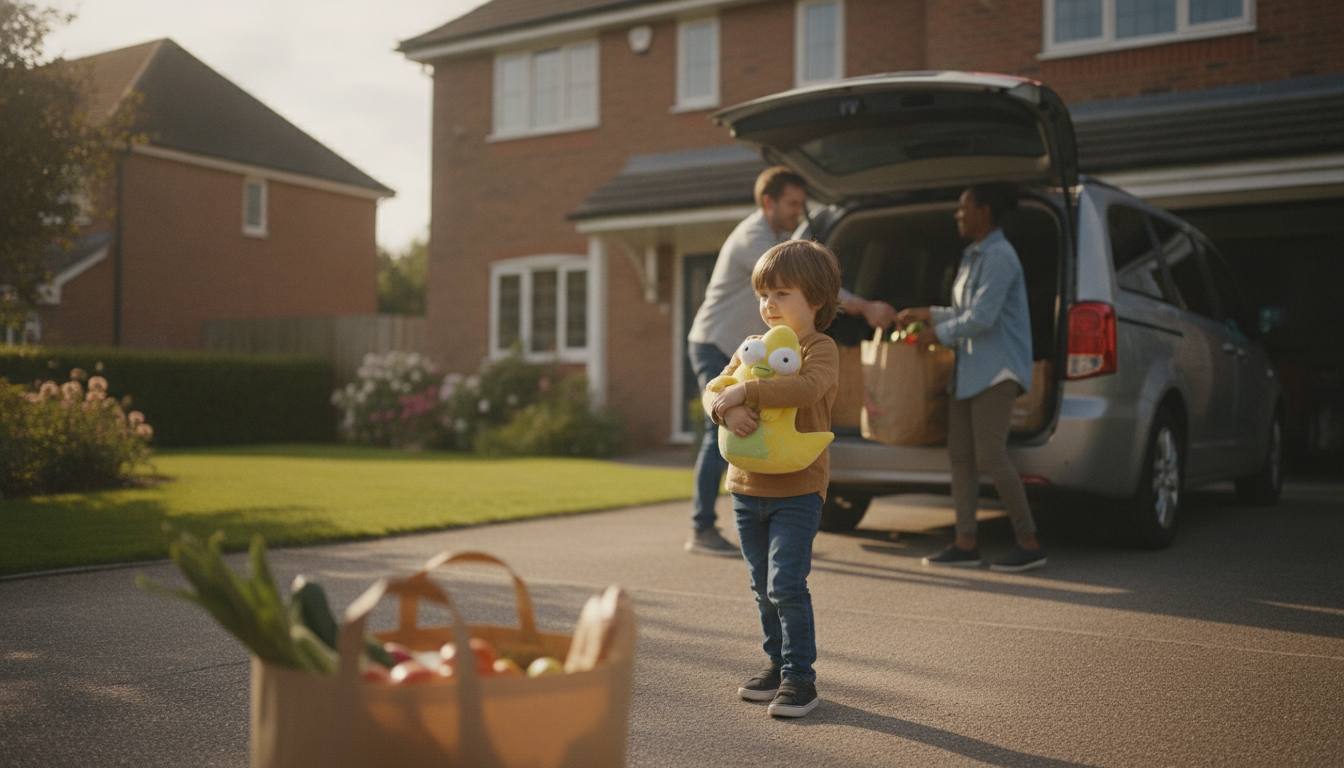
A smaller plush is typically easier for little arms to hug and tote around without dragging on the floor. It can also be less overwhelming at bedtime, especially for kids who like a comfort item but don’t want a big stuffed animal taking over the pillow. Mini plush toys also fit neatly into travel routines, which can help some children feel secure in new places.
What to check for toddler safety
For toddlers, the biggest concerns are choking hazards and durability. Look for securely embroidered eyes and facial details instead of plastic pieces, and make sure seams feel tight with no loose threads. If the toy has accessories (bows, buttons, tags, or add-ons), confirm they’re firmly attached and not easy to pull off. Soft, non-irritating fabrics are also important for kids with sensitive skin.
Age, supervision, and play style matter
Young kids who still put toys in their mouths need extra caution—choose a plush labeled for their age range and avoid anything with beads, pellets, or detachable parts unless it’s clearly designed for safe use. For kids who play rough, prioritize sturdier stitching and materials that can handle frequent squeezes, drops, and trips through the wash.
Cleaning and everyday practicality
Mini plush toys tend to get “loved hard,” so washability is a big win. Check the care label for machine-wash instructions (or at least easy spot-cleaning). A plush that can be cleaned regularly is more likely to stay a comforting favorite.
For a deeper breakdown of sizing, safety considerations, and what to look for in a kid-friendly mini plush, visit the full guide here.
FAQ
What features make a plush toy safer for small children?
Choose embroidered details, strong stitching, and materials that won’t shed fibers easily. Avoid small detachable parts and pick a toy clearly labeled for the child’s age group.









Leave a comment